A Journey to the Adriatic and the Hidden Advantage of the ROTAX 916 iS
22. September 2026
A Journey to the Adriatic and the Hidden Advantage of the ROTAX 916 iS
A Quick Note Before We Start: TAS vs IAS
Before talking about altitude, it is worth explaining one important detail.
Pilots fly the aircraft using Indicated Airspeed (IAS). IAS is the number used for aircraft handling, flight safety, take-off and landing performance, and all procedures described in the Pilot Operating Handbook.
When it comes to travelling, however, another number becomes more important: True Airspeed (TAS). TAS describes the aircraft’s actual speed through the air mass and therefore determines how quickly we move from one destination to another.
In simple terms:
- IAS is the speed we use to fly the aircraft.
- TAS is the speed that takes us to the beach.
That is why all speeds mentioned in this article are expressed as TAS. Because when planning a journey across Europe, TAS is what truly matters.
A Friday Afternoon Journey to the Adriatic
It is Friday afternoon. The work week is finally over. The weather forecast looks promising and the Adriatic Sea is waiting somewhere beyond the mountains on the southern horizon.
The aircraft stands ready outside the hangar in Ostrava. Fuel tanks full. 120 litres on board.
The destination is simple: Split. Approximately 710 kilometres away. Close enough to reach in a single flight. Far enough to feel like a genuine adventure.
As the engine settles into a smooth idle and the navigation system draws a magenta line across half of Europe, one question appears. Not how fast. Not how much fuel. But something far more interesting.
“How high should we fly?”
The Traditional Answer
Pilots flying naturally aspirated engines already know the traditional answer. Climb a little. Find comfortable air. Set cruise power. Enjoy the flight.
For decades, that was exactly how cross-country flying worked. Higher altitudes often meant better views and smoother air, but eventually the engine would begin losing power. At some point, climbing higher stopped making sense.
Altitude became a compromise. You gained scenery. You lost performance. And everybody accepted it as normal.
The ROTAX 916 iS changes that conversation. And perhaps more importantly, it changes the way long journeys feel.
Climbing South
The climb out of Ostrava is uneventful. The Beskydy mountains slowly disappear behind the tail. The Austrian border approaches. The aircraft continues climbing.
4,000 feet. 5,000 feet. 6,000 feet.
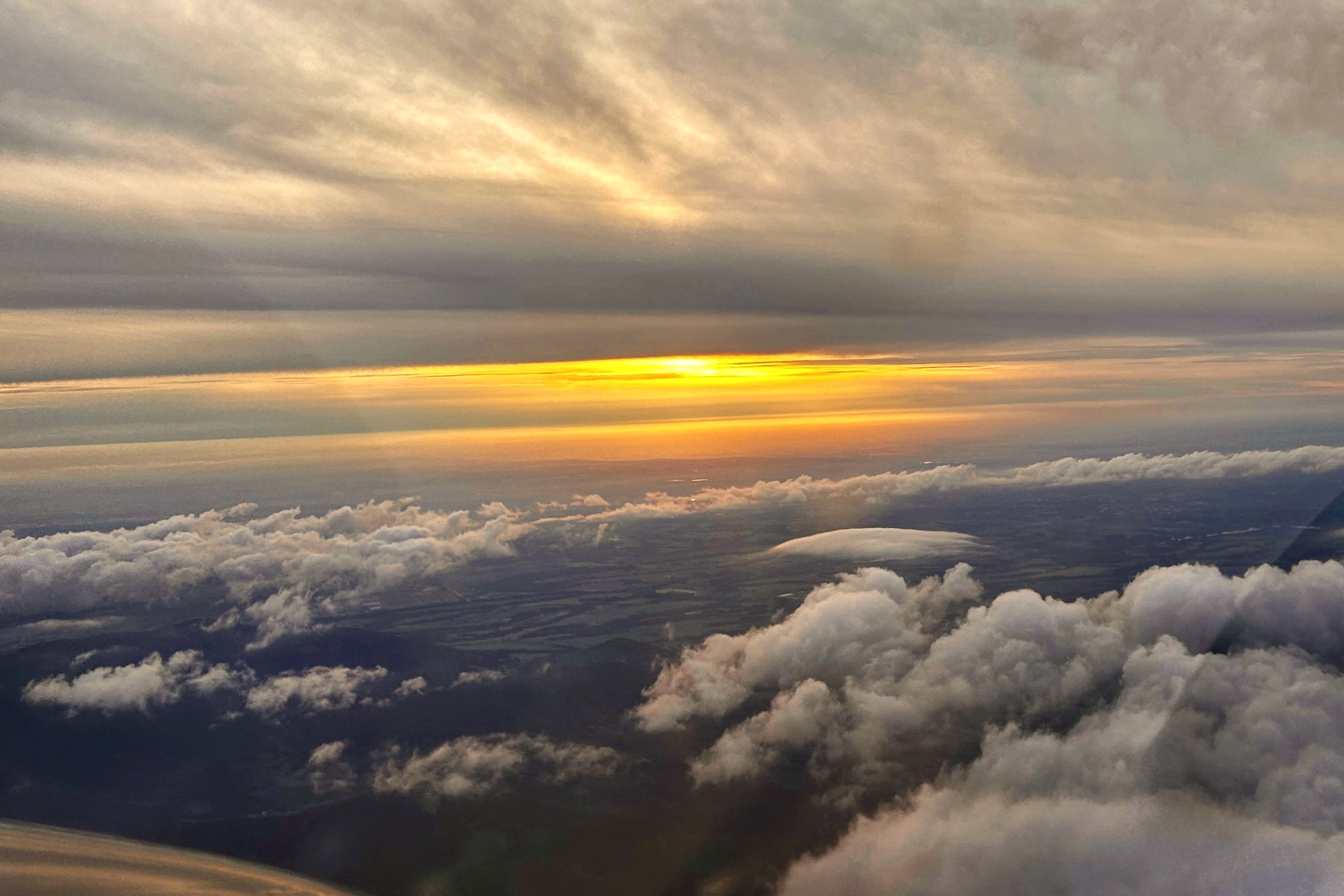
Below the wings, the landscape stretches further with every passing minute. The mountains become sharper. The valleys deeper. The horizon wider. The outside temperature drops. The air becomes smoother.
And something unexpected begins to happen. The fuel flow hardly changes. But the aircraft keeps moving faster through the sky.
The Secret Hidden in Altitude
During our flight testing, we repeatedly observed the same phenomenon. At similar fuel consumption levels, the aircraft became noticeably faster as altitude increased.
Not because we increased power. Not because we changed propellers. Not because the aircraft became lighter. Simply because the atmosphere became more efficient.
The thinner air at altitude reduces drag. Meanwhile, the turbocharger continues working to maintain engine performance. The result is something every pilot appreciates:
More kilometres covered for nearly the same fuel consumption.
Flight Test Example
Here is what the same aircraft recorded at three cruise altitudes:
| Fuel Flow | Altitude | TAS |
|---|---|---|
| 15.0 l/h | 4,000 ft | 194 km/h |
| 17.4 l/h | 6,000 ft | 214 km/h |
| 17.1 l/h | 8,000 ft | 212 km/h |
All figures shown are True Airspeeds (TAS) measured during flight testing. QNH 1009 hPa, OAT 11–15 °C.
The conclusion is difficult to ignore. For roughly the same fuel consumption, the aircraft gained approximately 20 km/h of travelling speed simply by operating higher.
No modifications. No upgrades. No additional equipment.
Just altitude.
Somewhere Above the Alps
And this is where the journey to Split becomes interesting.
The difference between cruising at 194 km/h TAS and cruising at 214 km/h TAS may not seem dramatic when viewed on paper. But somewhere above the Alps, those minutes begin to matter.
The coastline appears sooner. The mountains pass beneath the wings more quickly. The hotel check-in becomes less rushed. The first walk along the waterfront starts a little earlier.
The aircraft itself has not changed. Only the altitude has.
The Unexpected Benefit
The speed increase is only part of the story. Pilots who regularly travel long distances often discover something else: the higher they fly, the more pleasant the journey becomes.
Turbulence is frequently reduced. Visibility often improves. The atmosphere feels calmer. There is less traffic. And there is a certain satisfaction that comes from watching entire countries unfold beneath the aircraft.
The flight stops feeling like transportation. It becomes part of the holiday itself.
What Does This Mean for a Trip to Split?
Let’s compare the same journey: Ostrava (LKMT) to Split (LDSP), approximately 710 kilometres.
- 4,000 ft at around 194 km/h TAS: flight time approximately 3 h 40 min, fuel approximately 55 l
- 6,000 ft at around 214 km/h TAS: flight time approximately 3 h 19 min, fuel approximately 58 l
- −21 min for roughly +3 l of fuel
More than twenty minutes saved for about three extra litres of fuel. Not by burning dramatically more fuel. Not by purchasing a larger engine. Not by changing the aircraft. Simply by taking advantage of altitude.
Twenty minutes may not sound dramatic. Until it happens on every flight. Every weekend trip. Every holiday. Every journey south.
Turbocharging Is Really About Travel
Many people assume turbocharging is primarily about power. After spending hundreds of hours with the ROTAX 916 iS, we have come to a different conclusion.
Turbocharging is really a story about travel.
It allows altitude to become an advantage instead of a compromise. It allows the aircraft to exploit thinner air rather than suffer from it. And perhaps most importantly, it allows pilots to reach destinations sooner while enjoying many of the benefits that altitude naturally provides.
The reward is not found on the engine display. It is found in the destinations that suddenly feel a little closer.
Flight-Test Configuration
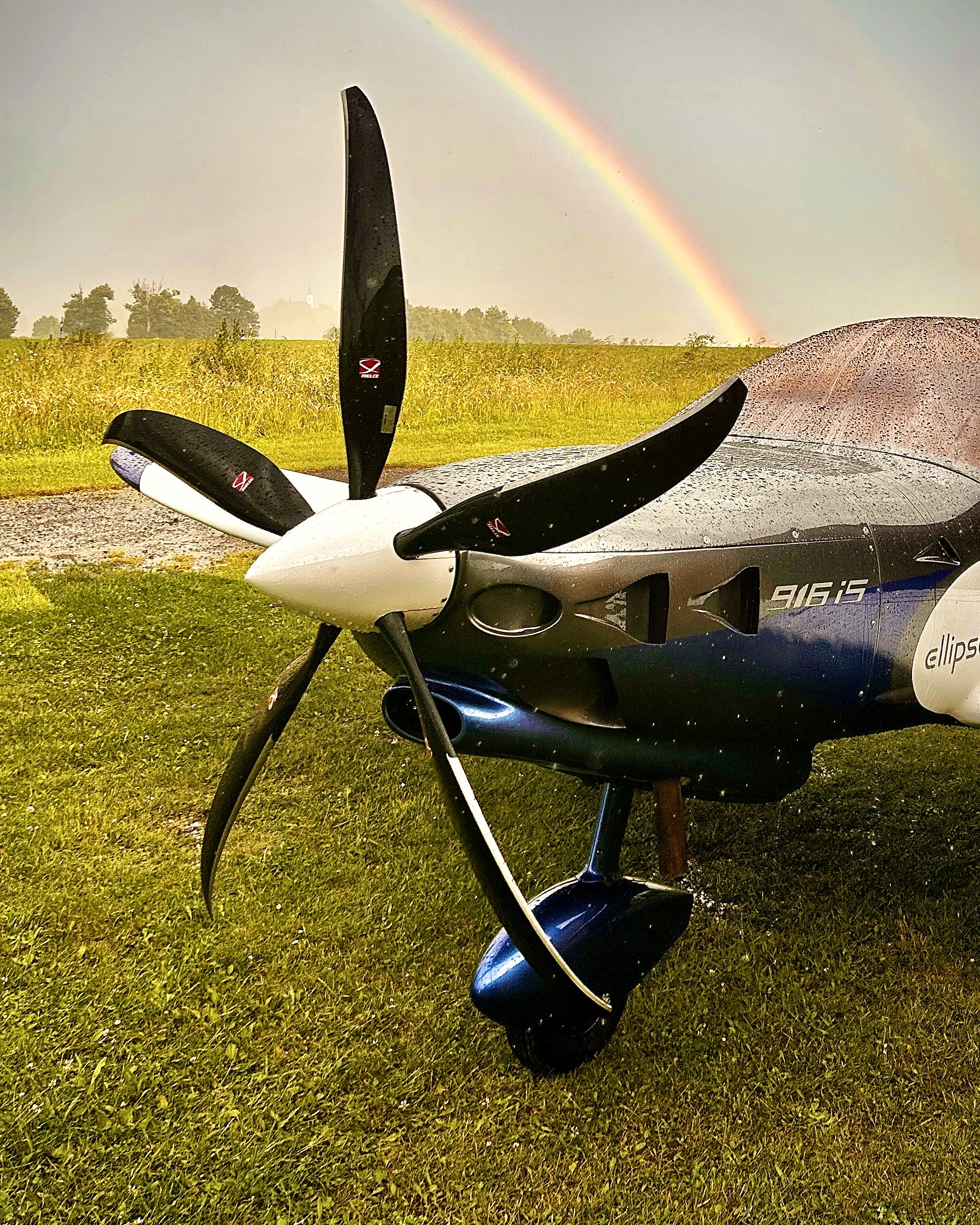
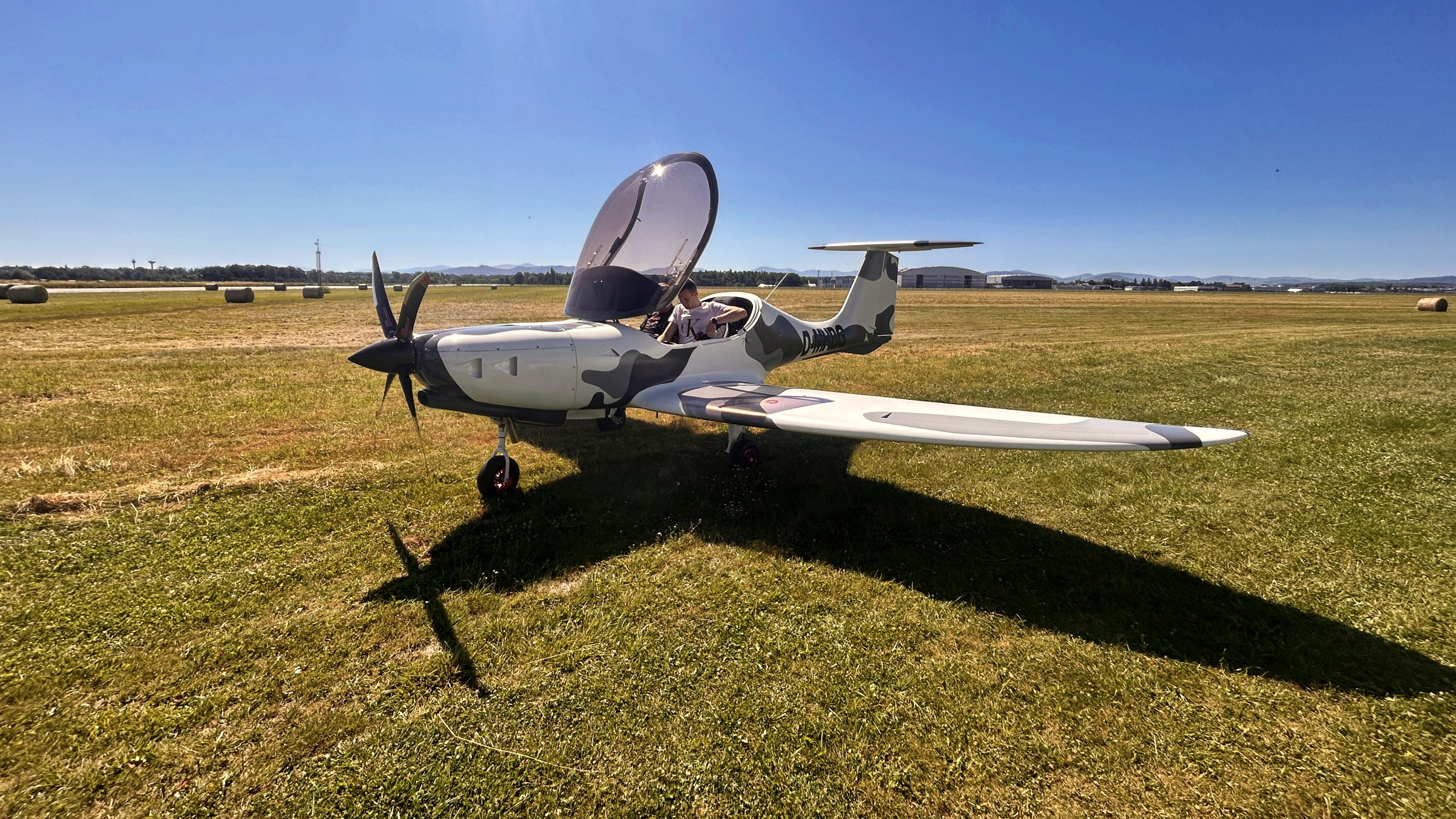
| Aircraft | Ellipse Spirit |
| Engine | ROTAX 916 iS |
| Propeller | HELIX 5-Blade |
| Landing Gear | Fixed Gear |
| Fuel Capacity | 120 litres |
| MTOM | 600 kg |
| Empty Weight | 369 kg |
| Test Altitudes | 4,000–8,000 ft |
| QNH | 1009 hPa |
| OAT Range | 11–15 °C |
All performance figures presented in this article are based on actual flight-test measurements collected during normal operations.
The Best Upgrade Is Already Installed
Many performance upgrades require money. Some require modifications. Others require compromises.
This one does not.
The next time you point the nose south and set course for the Adriatic, consider climbing a little higher. The view will be better. The air will be smoother.
And if our flight-test data is any indication, the sea may arrive sooner than you expect.
Read More About the ROTAX 916 iS
Explore more flight-test insights and real-world performance data from the Ellipse Spirit 916.