The Sweet Spot Nobody Talks About
17. September 2026
The Sweet Spot Nobody Talks About
What 200 Hours with the ROTAX 916 iS Taught Us
When people start talking about aircraft performance, the conversation usually begins with two questions.
“How fast does it go?”
“How much fuel does it burn?”
They are reasonable questions.
In fact, they are often the first questions we receive from prospective owners. Yet after more than 200 flight hours with the ROTAX 916 iS, we discovered something interesting. Those are not the questions that matter most.
The real question comes later.
Usually after the aircraft has become part of your life. Usually after the first long trips. Usually after the first summer of travelling across Europe.
The question becomes:
“Where does this aircraft feel best?”
The Search for the Perfect Cruise
Every pilot begins with numbers.
You test different RPM settings. You watch fuel flow. You compare ground speeds. You experiment.
At first, it feels almost scientific. But after a while, something changes. The aircraft begins teaching you. You stop chasing numbers and start looking for balance. Not maximum speed. Not minimum fuel consumption.
Balance.
The setting where the aircraft feels effortless. The setting where distances become shorter, yet fuel consumption still feels sensible. The setting where you stop thinking about performance and simply enjoy travelling.
A Coffee in Bovec
Imagine a late Sunday afternoon in Bovec.
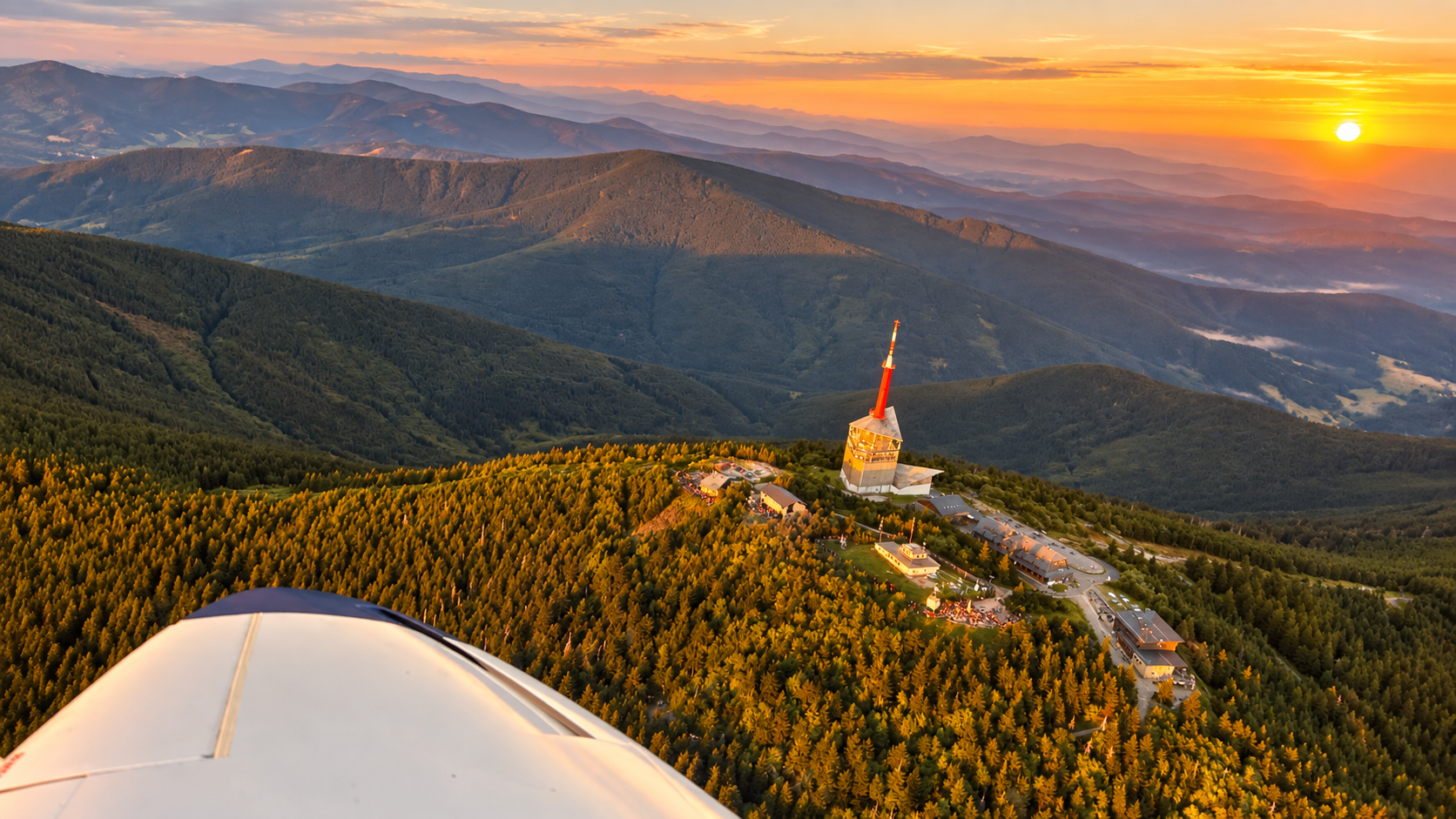
The terraces are beginning to empty. Paragliders are packing their equipment. The peaks of the Julian Alps are slowly turning golden.
The weekend is over.
Home is somewhere to the north. More than five hundred kilometres away. The aircraft is ready. The weather is excellent. There is no reason to rush.
But there is also no reason to spend unnecessary hours in the air.
As you walk toward the aircraft, one question appears. Not whether the engine can fly faster. You already know it can. The question is whether it should.
Looking at the Numbers
Before analysing the data, we expected the answer to be obvious.
It wasn’t.
The measurements revealed something far more interesting.
| Profile | TAS | Fuel Flow |
|---|---|---|
| Explorer | 212 km/h | 17.1 l/h |
| Traveller | 227 km/h | 21.4 l/h |
| Business Traveller | 235 km/h | 23.6 l/h |
| Athlete | 260 km/h | 31.3 l/h |
All figures shown are True Airspeeds (TAS) measured during flight testing.
As explained in previous articles, IAS is used for flying the aircraft. TAS is used for measuring how quickly you reach your destination.
At first glance, the Athlete profile seems like the obvious winner.
After all, who doesn’t like 260 km/h?
But performance is rarely that simple.
The First Upgrade
Moving from the Explorer profile to the Traveller profile delivers a significant reward.
The aircraft gains approximately:
+15 km/h TAS
for roughly +4.3 l/h
That feels like an excellent trade. The increase in speed is immediately noticeable. The increase in fuel consumption is surprisingly modest. Many owners will discover that this is where the aircraft begins to feel like a true travelling machine.
The Second Upgrade
The next step is even more interesting. Moving from Traveller to Business Traveller provides:
+8 km/h TAS
for approximately +2.2 l/h
Again, the numbers make sense. You arrive sooner. The aircraft remains efficient. The fuel penalty remains relatively small. And this is exactly where something unexpected happens. The aircraft begins to feel complete.
Where the Magic Happens
After analysing the measurements, reviewing real journeys and comparing travel times, one conclusion kept returning.
The region between approximately 225 and 235 km/h TAS feels special.
The aircraft covers serious distances. Fuel consumption remains reasonable. The engine feels relaxed. The aircraft feels stable. The travel experience becomes effortless. This is not the maximum range profile. This is not the maximum speed profile. It is something more useful. It is the profile that makes Europe feel smaller.
Then Physics Arrives
Of course, every aircraft eventually reaches a point where additional speed becomes expensive.
The Ellipse Spirit is no exception.
Moving from Business Traveller to Athlete delivers:
+25 km/h TAS
for approximately +7.7 l/h
The aircraft becomes impressively fast.
But the relationship changes. Every additional kilometre per hour now requires noticeably more fuel. This is not a weakness. It is simply physics. The faster we move through the air, the harder the air pushes back. The laws of aerodynamics apply equally to ultralights, business jets and airliners.
The Journey Home
Back in Bovec, the engine starts.
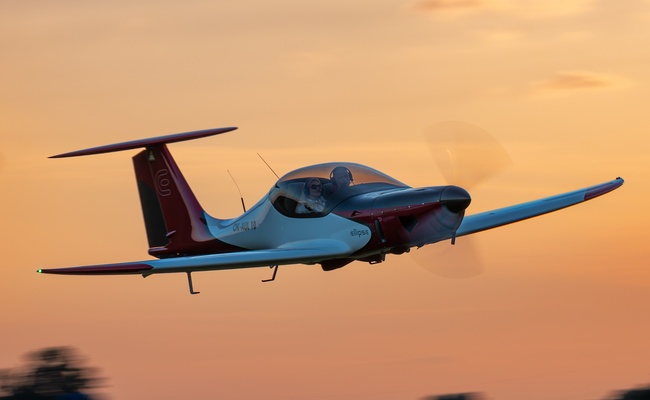
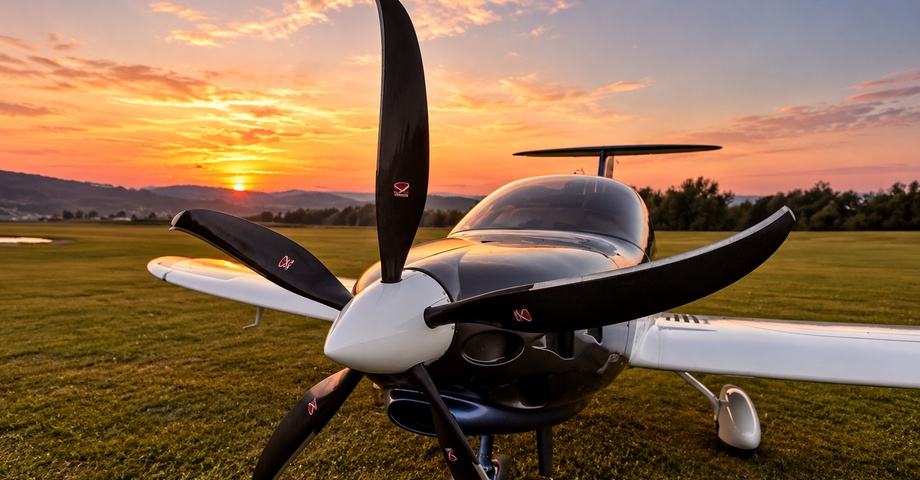
The propeller begins turning. The mountains slowly slide beneath the wings. And somewhere during the flight home, something interesting happens. You realise you are not flying at maximum power. You are not flying at minimum fuel flow either. You are cruising somewhere around 230 km/h TAS.
Almost without thinking about it.
Not because the aircraft forces you to. Because it feels right. The speed feels right. The fuel flow feels right. The travel time feels right. And perhaps that is the most important performance figure of all.
The Greatest Luxury
Many people believe maximum speed is the ultimate goal. After spending time with the ROTAX 916 iS, we have reached a different conclusion. The greatest luxury is not maximum speed. The greatest luxury is having it available and choosing not to use it.
Because you know it is there. You know the aircraft can do more. You simply do not need it today. And strangely enough, that confidence changes the way you travel.
Flight-Test Configuration
| Parameter | Value |
|---|---|
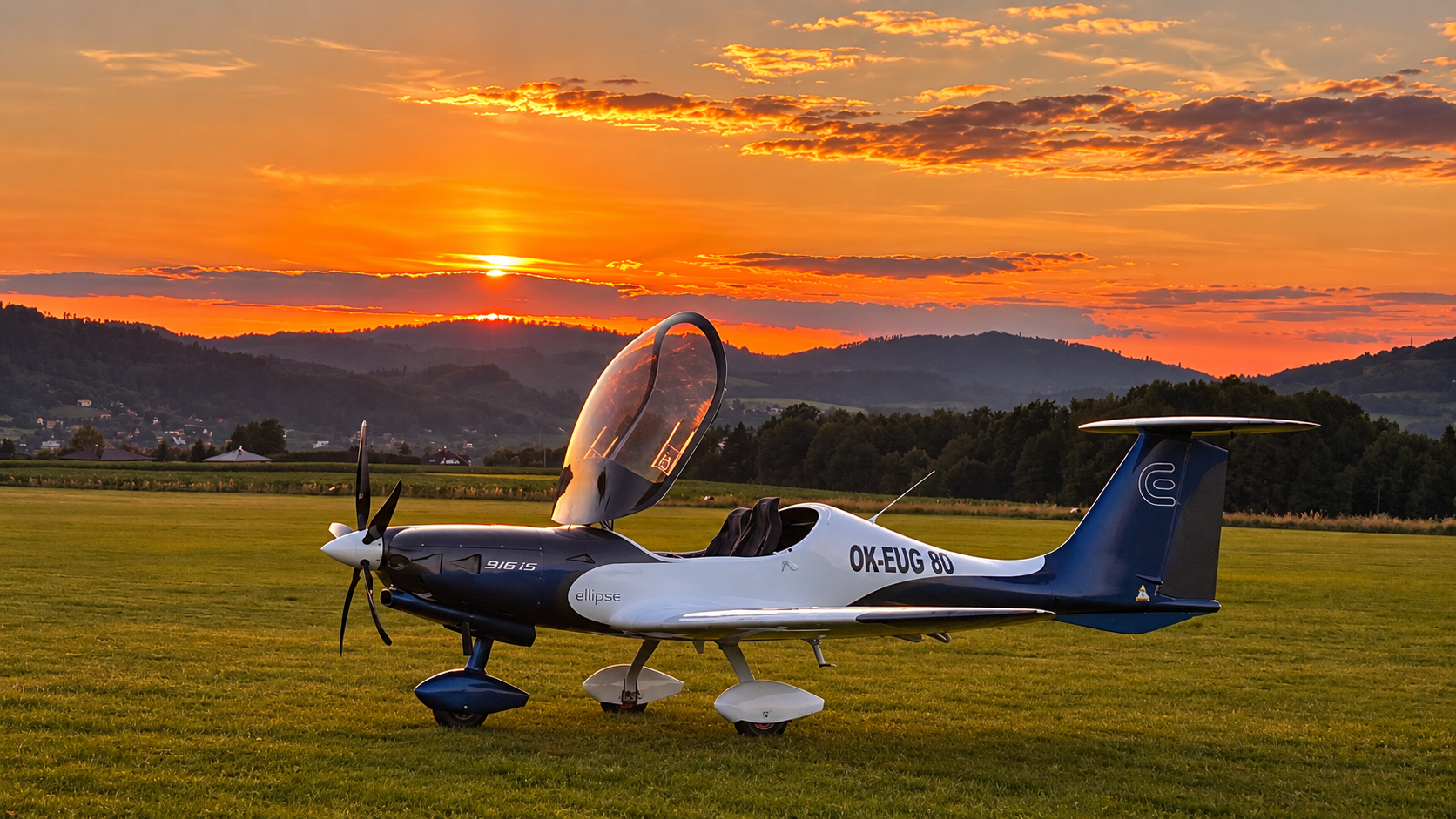
| Aircraft | Ellipse Spirit |
| Engine | ROTAX 916 iS |
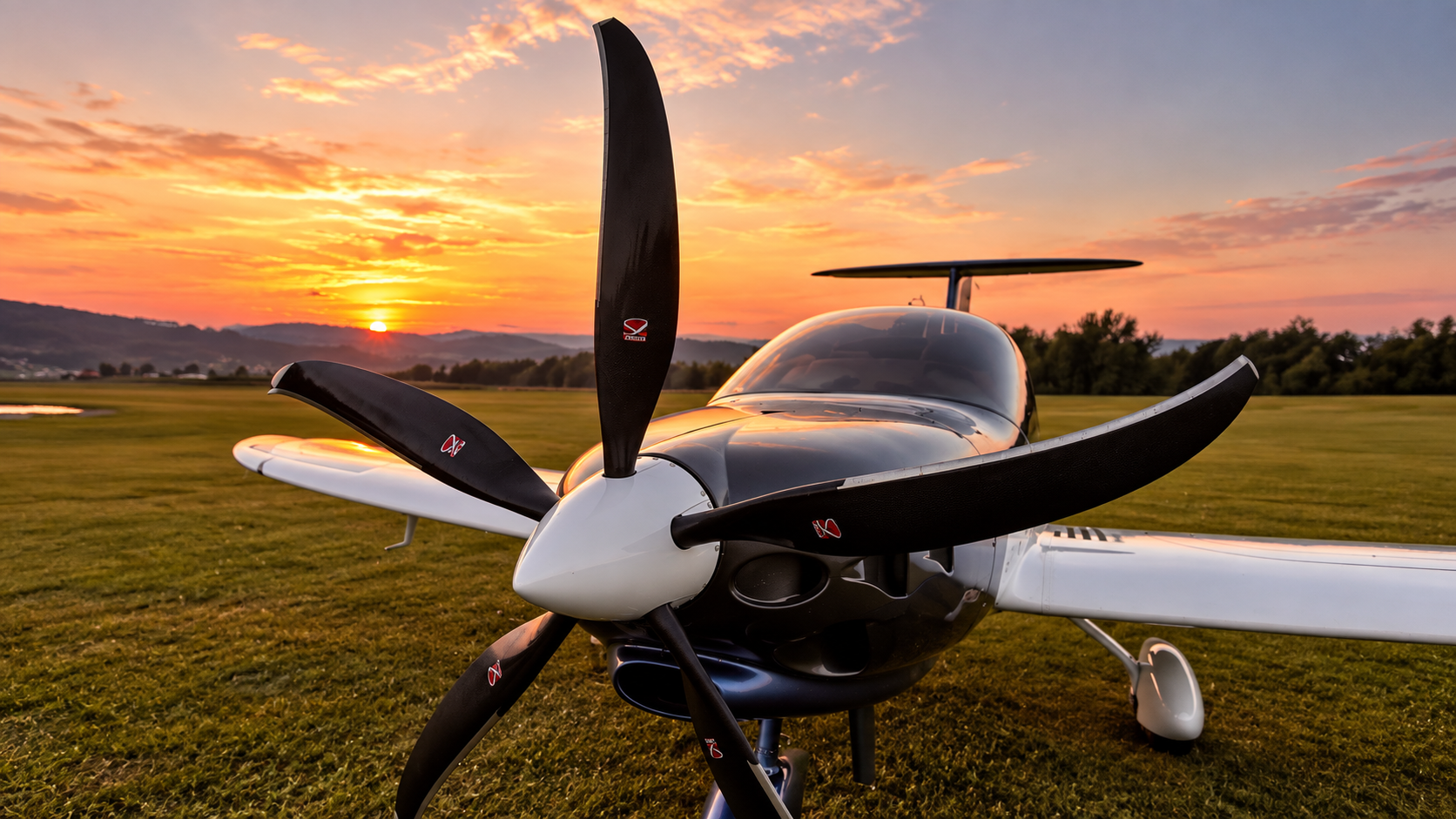
| Propeller | HELIX 5-Blade |
| Landing Gear | Fixed Gear |
| Fuel Capacity | 120 litres |
| MTOM | 600 kg |
| Empty Weight | 369 kg |
| Test Altitudes | 4,000–8,000 ft |
| QNH | 1009 hPa |
| OAT Range | 11–15 °C |
All performance figures presented in this article are based on actual flight-test measurements collected during normal operations.
What Surprised Us Most
After more than 200 hours with the ROTAX 916 iS, the biggest surprise was not the maximum speed.
It was not the turbocharger.
It was not the climb rate.
It was not even the fuel consumption.
The biggest surprise was how often we found ourselves cruising at approximately 230 km/h TAS.
Because somewhere around that number, everything seems to come together.
Speed. Range. Efficiency. Comfort.
And the simple pleasure of watching destinations arrive sooner than expected.
That is the sweet spot nobody talks about.
Until they have flown it.
Read More About the ROTAX 916 iS
Explore more flight-test insights and real-world performance data from the Ellipse Spirit 916.
The Four Personalities of the Ellipse Spirit 916